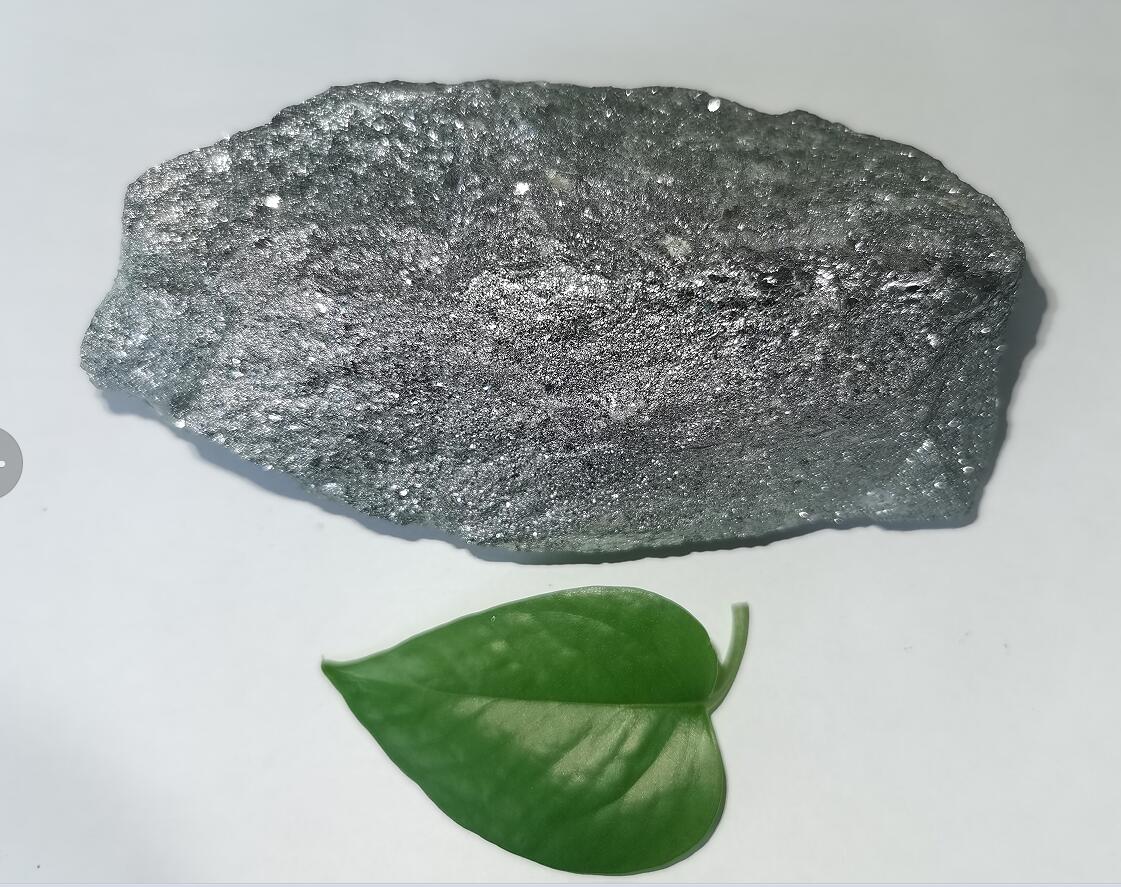

What need to pay attention to when purchasing silicon carbon alloy
Aug 18, 2025
Silicon carbon alloy, also known as high carbon silicon, is an alloy made primarily of silicon and carbon. Its physical and chemical properties lend it to a wide range of applications.
First, from a physical perspective, silicon carbon alloy possesses several notable characteristics. Its density is lower than that of steel, yet its hardness is higher, resulting in high strength, hardness, and toughness. Furthermore, silicon carbon alloy exhibits superior electrical and thermal conductivity to steel. These physical properties give it significant advantages in the manufacture of carbide cutting tools, automated machinery parts, and high-speed steel.
Second, silicon carbon alloy also possesses excellent chemical properties. It exhibits excellent oxidation and corrosion resistance, high temperature stability, a low coefficient of expansion, and excellent thermal stability. These properties enable silicon carbon alloy to operate and exist stably in a variety of media, leading to its widespread application in industries such as metallurgy, chemicals, electronics, and semiconductors.
Silicon carbon alloy plays a particularly important role in the steel industry. It can be used as an alloy in the deoxidation alloying process of converter smelting. Its stable performance allows it to replace ferrosilicon, silicon carbide, and recarburizers, reducing deoxidizer usage. Silicon carbon alloys can improve molten steel quality, enhance product quality and performance, and reduce the amount of alloying agents added, thereby reducing steelmaking costs and increasing economic benefits.
When purchasing silicon carbon alloys, consider the following key issues:
1. Quality and Purity
The quality and purity of silicon carbon alloys are directly related to their performance. When purchasing, ensure that the product meets the required purity and quality standards to avoid production losses or safety risks caused by quality issues.
2. Supplier Reputation
Choosing a supplier with a good reputation and good reputation can reduce procurement risks. You can review industry reviews and customer feedback to understand the supplier's capabilities and service quality.
3. Price and Cost
Price is a key consideration during the procurement process. Compare prices from different suppliers and comprehensively evaluate the cost-effectiveness based on factors such as product quality and shipping costs.
4. Delivery Time and Logistics
Ensure suppliers can deliver on time and pay attention to logistics reliability. For large-volume purchases, warehousing and distribution issues also need to be considered.
5. After-Sales Service
High-quality after-sales service is crucial to ensuring a smooth procurement process. Suppliers should provide technical support, quality inspections, returns and exchanges, and other services to address potential issues.
6. Contracts and Terms
When signing a purchase contract, clearly stipulate terms such as product quality, quantity, price, and delivery time, as well as liability for breach of contract and dispute resolution methods, to ensure the rights and interests of both parties are protected.
7. Laws, Regulations, and Standards
Understand and comply with relevant laws, regulations, and standards to ensure that the silicon carbon alloy you purchase complies with national and industry regulations.
If you want to know more about silicon carbon alloy, please email us: info@kexingui.com