
What to Consider When Purchasing High Carbon Silicon
Aug 15, 2025
What to Consider When Purchasing High Carbon Silicon
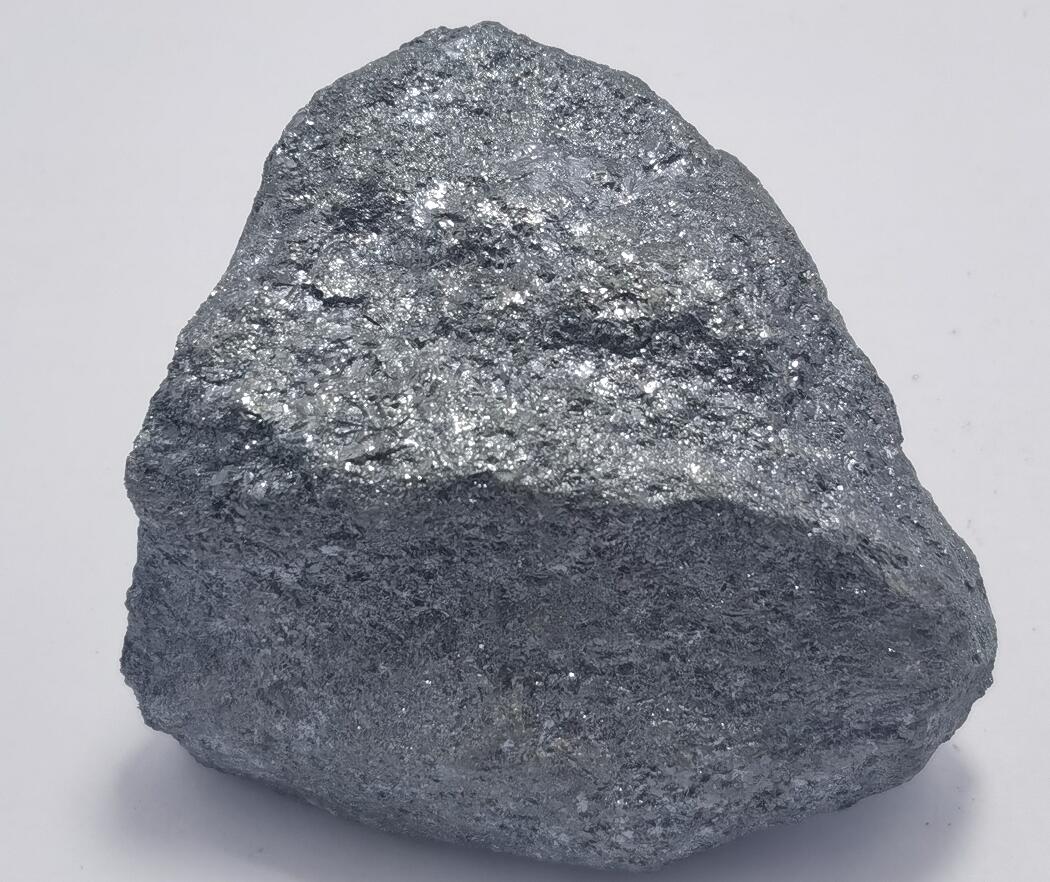
Silicon carbon alloy, also known as high carbon silicon, is a new alloy widely used in steelmaking and other industrial fields. This alloy's main components are silicon and carbon, with the silicon content typically exceeding 55% and the carbon content exceeding 15%. Silicon carbon alloys offer several advantages over traditional metallurgical materials such as ferrosilicon, silicon carbide, and recarburizers.
Silicon carbon alloy, also known as high carbon silicon, is a new alloy widely used in steelmaking and other industrial fields. This alloy's main components are silicon and carbon, with the silicon content typically exceeding 55% and the carbon content exceeding 15%. Silicon carbon alloys offer several advantages over traditional metallurgical materials such as ferrosilicon, silicon carbide, and recarburizers.
Main Uses of Silicon carbon Alloy:
1. Deoxidizer in Steelmaking
Silicon carbon alloys can be used as effective deoxidizers in steelmaking, improving steel quality by removing oxides from molten steel. During converter and electric furnace steelmaking, as well as casting processes, silicon carbon alloys effectively eliminate oxides from molten steel, resulting in high-quality steel.
2. Alloying Agent
Silicon carbon alloys can form compounds with other elements in steel, strengthening and stabilizing it. Silicon and carbon have an affinity for aluminum oxide, resulting in a reduction reaction on aluminum to form SiAl₂ and SiAl₄ compounds. SiAl₂ can be further synthesized into other Si-Al alloys.
3. Improving Steel Properties
Silicon carbon alloys can improve the physical properties of steel, such as increasing strength and corrosion resistance, thereby enhancing the overall quality of the steel.
4. Desulfurization in Slag
Sulfur in molten steel and oxides formed during the production process precipitate in the slag. The carbon in the silicon carbon alloy can react with sulfur to form sulfides, thereby reducing the sulfur content in the molten steel and the oxide content in the slag.
Common problems may arise when purchasing silicon carbon alloys. The following are some common issues and their solutions:
1. Price Fluctuation
The market price of silicon carbon alloys may fluctuate due to various factors, including raw materials, supply and demand, and seasonality. Solution
When signing a purchase contract, a price adjustment mechanism can be agreed upon, such as adjusting based on a market price index or agreeing on a certain price fluctuation range.
2. Unstable Quality
The quality of silicon carbon alloys may be affected by factors such as the production process and raw materials, resulting in inconsistent quality.
Solution
When selecting a supplier, choose one with a comprehensive quality control system, and clearly stipulate product quality standards and acceptance procedures in the contract.
3. Delivery Delays
Due to production, logistics, and other factors, suppliers may experience delivery delays.
Solution
When signing a contract, clearly stipulate the delivery date and liability for breach of contract to ensure timely delivery. If the supplier is unable to deliver on time, negotiate with the supplier to adjust the delivery date or take other remedial measures.
4. Poor After-Sales Service
During the procurement process, you may encounter poor after-sales service, such as a supplier's lack of proactive problem resolution or difficulty arranging returns or exchanges.
Solution
When selecting a supplier, choose one with excellent after-sales service, and clearly stipulate the after-sales service terms and liability for breach of contract in the contract. If the supplier performs poorly in after-sales service, you can protect your rights and interests according to the contract agreement.
Would you like to know more about high carbon silicon(silicon carbon alloy), please contact me info@kexingui.com