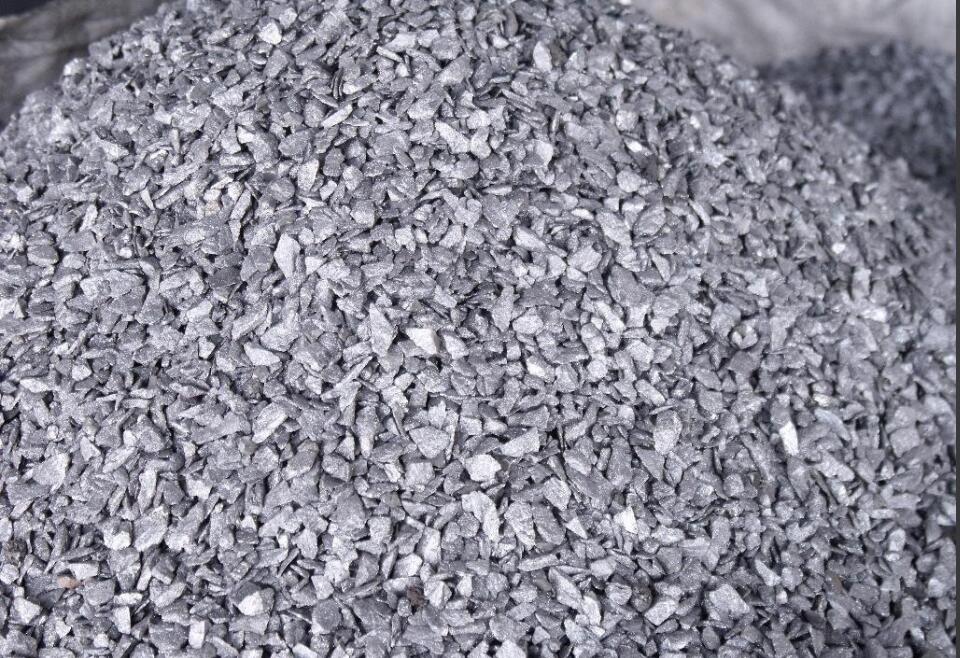

Ferrosilicon is the nutritional additive for steel
Nov 12, 2025
If deoxidation is ferrosilicon's "basic skill," then "customizing properties" for steel is its "specialty." Different types of steel have different properties: steel for car springs needs to be flexible, steel for bearings needs to be wear-resistant and pressure-resistant, while silicon steel for transformers needs to be "obedient" and energy-efficient. Behind these special properties lies ferrosilicon, the "nutritional regulator."
For example, the reason stainless steel doesn't rust is due not only to chromium, which is well-known, but also to ferrosilicon. It acts like a "corrosion-resistant armor," allowing stainless steel to maintain its shine even in humid environments. 3-5 kilograms of ferrosilicon are added to every ton of stainless steel. These silicon atoms are evenly distributed within the steel's crystal structure, sealing any "small leaks" that could lead to corrosion. The alloy steel used in high-speed rail tracks goes even further, requiring 5-10 kilograms of ferrosilicon per ton, essentially giving the steel a "strength training" boost, allowing the tracks to withstand the repeated crushing of hundreds of tons of trains without deformation.
The most amazing component is electrical silicon steel, the "core" of a transformer. This type of steel requires excellent magnetic permeability and low magnetic loss; otherwise, the power consumption of air conditioners and refrigerators would increase by 20%. Ferrosilicon acts like "acupuncture" on the molten steel, precisely adjusting the crystal arrangement to allow current to flow more smoothly. The secret to your air conditioner's low electricity consumption (one kilowatt-hour per night) might lie hidden in this unassuming ferrosilicon.
If you are interested in our ferro silicon, please contact us: info@kexingui.com