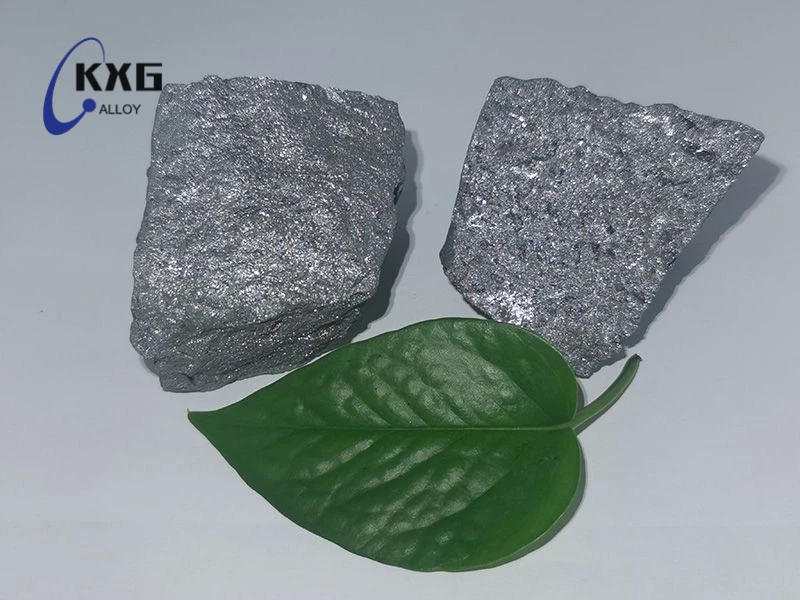

Ferro silicon, the hero of steel
Nov 11, 2025
Steelmaking is like making broth: Ferrosilicon is an essential "deodorizer"
Comparing steelmaking to making a thick soup might not be entirely accurate, but the principle is the same. Imagine you're making chicken soup at home; you always skim off the foam on the surface, otherwise the soup will be fishy and cloudy. The same principle applies to molten steel. Crude steel refined from iron ore contains a large amount of oxygen. This oxygen is like impurities in the soup, making the steel brittle and easily broken-professionally called "hot brittleness," which simply means the steel crumbles like a biscuit.
This is where ferrosilicon comes in. Like a dutiful "cleaner," it plunges into the 1600°C molten steel, fiercely battling the oxygen. Silicon and oxygen have a particularly strong binding force; they react rapidly to form silicon dioxide, which is what we commonly call silica sand. These "battle results" float on the surface of the molten steel, forming slag, which is easily skimmed off by the workers. Statistics show that approximately 1-3 kilograms of ferrosilicon are added to every ton of ordinary carbon steel. Although the amount may seem small, without it, the steel bars used in building construction might break before even leaving the factory.
Interestingly, ferrosilicon, while "removing oxygen," also "heats" the molten steel. Just like burning coal for heating in winter, where the combustion of coal releases heat, the reaction of silicon and oxygen releases a large amount of heat, further raising the temperature of the molten steel. This is equivalent to cleaning while simultaneously heating the room-truly a "workhorse" of a machine.
If you want to learn more about ferro silicon, please email us: info@kexingui.com