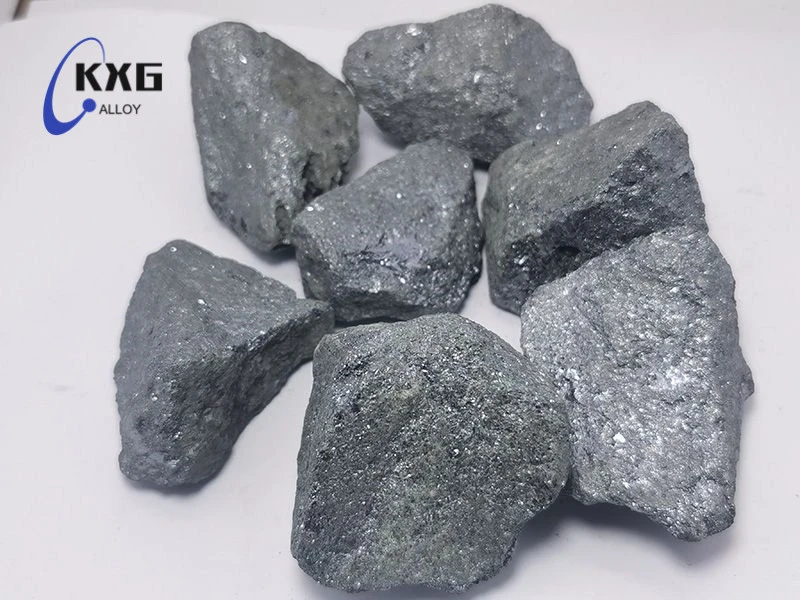

The definition of silicon carbon alloy
Sep 12, 2025
What is silicon carbon alloy?
Silicon carbon alloy is a new type of ferroalloy composite material produced by melting silicon-containing silica and coke at high temperatures. It primarily contains silicon, iron, carbon, and other trace elements. Silicon carbon alloy is primarily used in the steelmaking process, where it effectively deoxidizes and removes slag. This is due to the irreplaceable role played by the silicon and carbon elements within it. Silicon reacts with oxygen in the molten steel to form silicon dioxide, achieving deoxidation, while carbon effectively removes slag and increases the hardness of the molten steel. Therefore, silicon carbon alloy is a frequently purchased metallurgical material by steel mills.
What are the uses of silicon carbon alloy?
Silicon carbon alloy is suitable for deoxidation of various common steels and during casting. It also increases silicon and carbon content, resulting in rapid deoxidation, early slag formation, and a rich reducing atmosphere. This effectively improves element recovery, significantly reducing smelting costs, and stabilizes molten iron quality. It also refines grains and removes harmful impurities from the molten iron, enabling high casting temperatures, high-quality ingots, and low-cost casting.
What are the advantages of silicon carbon alloy?
As a new metallurgical material, silicon carbon alloy offers the lowest price yet excellent performance. It is poised to replace traditional metallurgical materials in the future. It effectively removes slag and deoxidizes, and can also be used in the iron casting industry to produce ductile iron, making it a very cost-effective ferroalloy product. Using silicon carbon alloy in smelting can effectively improve product quality, reduce smelting costs, and increase manufacturers' profitability. It is truly a ferroalloy product with outstanding advantages.
To learn more, please email us: info@kexingui.com