


Common analysis methods for silicon content in silicon carbon alloys
Jan 06, 2022
Silicon carbon alloy(high carbon silicon) is a new type of alloy that can replace traditional ferrosilicon, silicon carbide, recarburizers, and reduce the number of deoxidizers. Its characteristics are to improve the quality of molten steel, improve product quality, improve product performance, and reduce the amount of alloy added, which can effectively reduce steelmaking costs.
At present, China has no relevant national analysis standards for the silicon content in silicon-carbon alloys, and there are no standard samples of silicon-carbon alloys. Therefore, many steel plants have their own set of testing methods for silicon-carbon alloys.
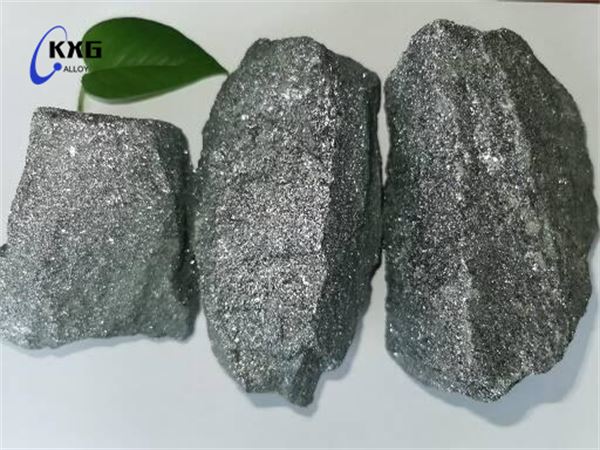
There are three commonly used analysis methods for silicon content in China
Sodium hydroxide, sodium peroxide-gravimetric method
Sodium hydroxide-acid-base titration
Potassium silicofluoride precipitation-acid-base titration
Advantages and disadvantages of sodium hydroxide and Sodium peroxide gravimetric method:
Advantages: The gravimetric method is traditional and classical, suitable for the analysis of silicon in ferrosilicon, silicon-manganese, silicon-calcium, and other alloys. The sample is decomposed with alkaline solvent to convert silicon into silicic acid. The reagents used in the test are common laboratory reagents.
Disadvantages: the operation is more complicated, the sample analysis time is longer because it is treated with a strong alkali sample, the reaction is more intense, the initial temperature of the sample is not well controlled, the sample is easy to collapse, resulting in low results, large error, coupled with the high-temperature test, nickel crucible loss is larger, some crucible with a damaged.
Advantages and disadvantages of sodium hydroxide - acid-base titration method:
Advantages: acid-base titration is a common analysis method, simple, fast, easy to operate. The endpoint is easy to see. The sample was decomposed with alkaline solvent to convert silicon to silicic acid. The reagents used in the test were all common laboratory reagents.
Disadvantages: Although titration method, but the early processing of samples with a strong alkali, the reaction is relatively violent, the initial temperature of dissolution is not well-controlled samples are easy to collapse, resulting in low results, large error, coupled with the high-temperature test, nickel crucible loss is also large.
Advantages and disadvantages of potassium silfluoride precipitation-acid-base titration method:
Advantages: Titration is a common analysis method, simple, fast, easy to operate. The endpoint is easy to see. The sample analysis time is short, the sample is dissolved with nitric acid and hydrofluoric acid, so that silicon is converted to silfluoroacid, the test reagents used are common laboratory reagents.
Disadvantages: too many times of precipitation washing, potassium silfluoroate has a small amount of dissolution, resulting in low results. The above are three commonly used analysis methods for silicon content in silicon-carbon alloys(high carbon silicon).
Reference: 《Shuigang Science and Technology》-《Study on the Best Determination Method of Silicon Content in Silicon-Carbon Alloy》


