


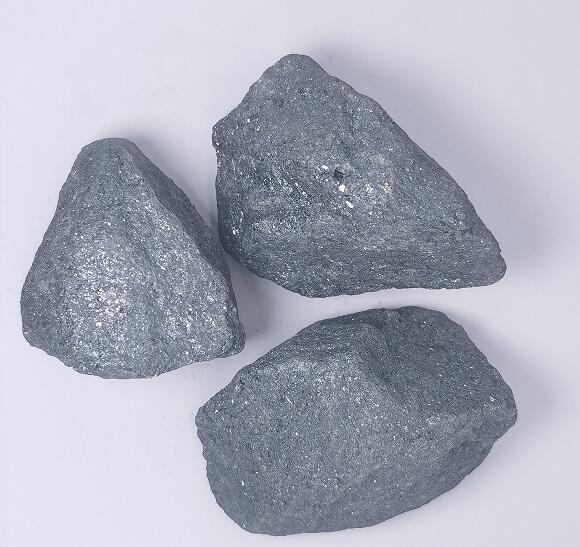

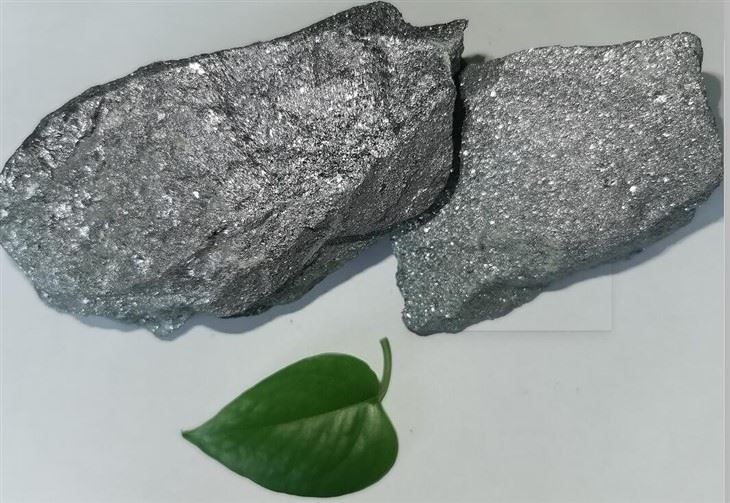
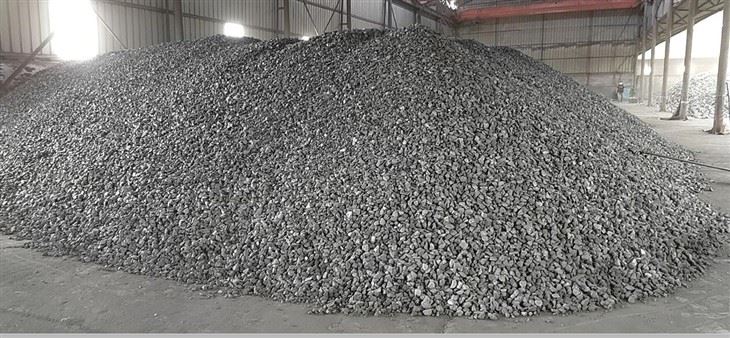
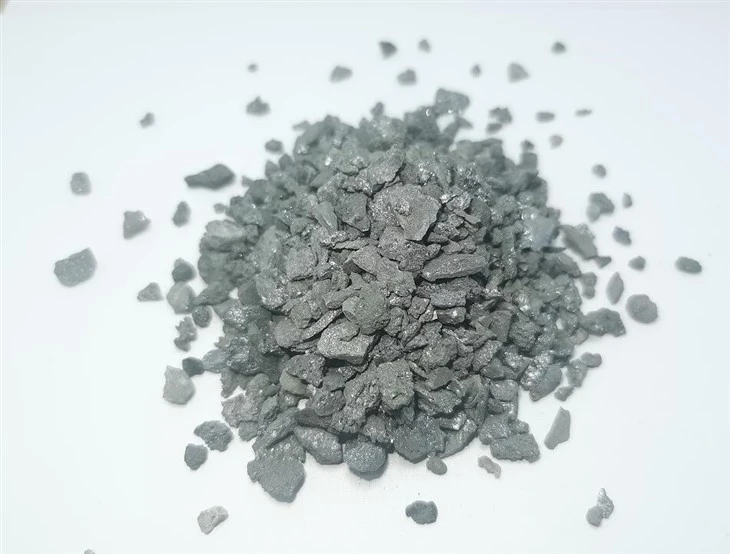
Silicon Carbide And Silicon Carbon Alloy
Silicon carbon alloys can also be used in areas such as wear resistance, corrosion resistance, and oxidation resistance.
Description
1.Products Description
silicon carbide
Silicon carbide is an inorganic substance with the chemical formula SiC. It is smelted at high temperature in a resistance furnace using raw materials such as quartz sand, petroleum coke (or coal coke), and wood chips (salt is required when producing green silicon carbide).
Silicon carbon alloy
Silicon carbon alloy is an alloy with silicon and carbon as the main elements. It is usually produced by high-temperature reduction reaction in a high-temperature electric furnace using silica, petroleum coke and coal pitch as raw materials.
In silicon carbon alloys, the silicon content is generally between 50% and 70%, and the carbon content is generally between 10% and 30%. In addition, silicon carbon alloys also contain small amounts of aluminum, calcium, iron and other elements, as well as trace impurities such as manganese, phosphorus, sulfur, etc. The content of these elements has a certain impact on the quality and performance of silicon-carbon alloys.
One is an inorganic substance and the other is an alloy. This is the biggest difference between silicon carbide and silicon-carbon alloy.
2.production process
silicon carbide
The smelting of silicon carbide requires the use of high-purity raw materials, including quartz sand, petroleum coke, anthracite, etc. These raw materials need to undergo pre-processing such as crushing, grinding, and screening to ensure that the particle size and composition of the raw materials meet the requirements. The smelting of silicon carbide is to react high-purity raw materials with reducing agents (such as sawdust and salt) at high temperatures to separate silicon and carbon atoms from the raw materials and form silicon carbide molecules. The smelted silicon carbide melt needs to go through processes such as casting, demoulding, and cooling to obtain silicon carbide products of different shapes and specifications.
Silicon carbon alloy
The production process of silicon carbon alloy is relatively simple, and is generally produced by electric furnace method or metallurgical method. The electric furnace method uses silica and coke as the main raw materials, mix them in a certain proportion and put them into a high-temperature electric furnace for reaction. First, silica and coke are mixed in a certain proportion and put into an electric furnace, where they react at high temperature to form a silicon carbon alloy. The metallurgical rule is to use ferrosilicon and silicon carbide as the main raw materials and smelt them in a high-temperature smelting furnace.
3.function and use
silicon carbide
In the metallurgical industry, silicon carbide is mainly used in the following aspects:
Steelmaking deoxidizer: Silicon carbide can be used as a steelmaking deoxidizer to stabilize the quality of molten steel, refine grains, and remove harmful impurities from molten steel. After use, the molten steel casting temperature is high, the quality of the billet is good, and the unit cost is low.
Carburizing agent: Silicon carbide can be used to increase the carbon content in steel and improve the hardness and strength of steel.
Ferrosilicon substitutes: Silicon carbide can replace ferrosilicon and carburizers to reduce steelmaking costs.
High-temperature materials: Silicon carbide has the characteristics of high thermal conductivity, high corrosion resistance, and high strength, and can be used as high-temperature materials, such as steelmaking furnace linings, casting molds, etc.
Slag purifier: Silicon carbide can be used as a slag purifier to help remove harmful impurities in molten steel.
Silicon carbon alloy
Silicon carbon alloys have a wide range of applications and can be used as deoxidizers, carburizers, refractory materials, high-strength metal materials, etc. Because of its high carbon and high silicon characteristics, it can replace traditional metallurgical materials such as ferrosilicon, silicon carbide, carburizer, etc., improve the quality of molten steel, improve product performance, reduce steelmaking costs, and increase economic benefits.
In addition, silicon carbon alloys can also be used in areas such as wear resistance, corrosion resistance, and oxidation resistance.
It can be seen that silicon carbide and silicon carbon alloy are completely different materials.
Hot Tags: silicon carbide and silicon carbon alloy, China, suppliers, manufacturers, factory, price, in stock


