



Ferro Silicon Manufacturing Process
Ferro silicon is a vital alloy that is used in various industries, including steel production and manufacturing of different types of products.
Description
Products Description
Ferro silicon is a vital alloy that is used in various industries, including steel production and manufacturing of different types of products. The manufacturing process of ferro silicon is a fascinating one that involves several steps and advanced technologies to produce a high-quality product. In this article, we will explore the different steps involved in the ferro silicon manufacturing process.
Ferro silicon manufacturing process
The ferro silicon (FeSi) manufacturing process involves the carbothermic reduction of silica (SiO₂) and iron oxides in a submerged arc furnace (SAF). Here's a step-by-step breakdown:
1. Raw Materials
Silica (SiO₂): Usually sourced from quartz or high-purity silica (≥98% SiO₂).
Iron Source: Can be iron ore (hematite/magnetite), mill scale, or scrap steel.
Reductant: Typically coke, charcoal, or coal (carbon acts as the reducing agent).
Other Additives: Lime or dolomite may be added to adjust slag properties.
2. Crushing & Blending
Raw materials are crushed and screened to ensure proper particle size (10–60 mm for optimal furnace performance).
The mix is blended in precise proportions (typically SiO₂ : Fe = 2:1, with excess carbon).
3. Smelting in Submerged Arc Furnace (SAF)
The blended charge is fed into a submerged arc furnace (an electric arc furnace with carbon electrodes submerged in the charge).
The furnace operates at 1500–1800°C.
Key reactions:
SiO₂ + 2C → Si + 2CO (Silica reduction)
FeO + C → Fe + CO (Iron oxide reduction)
Si + Fe → FeSi (Alloy formation)
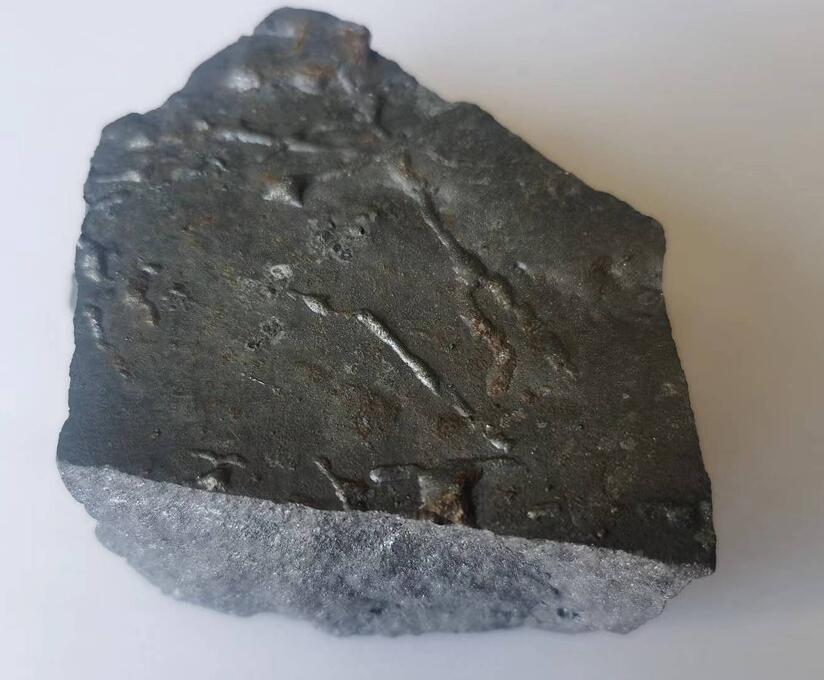
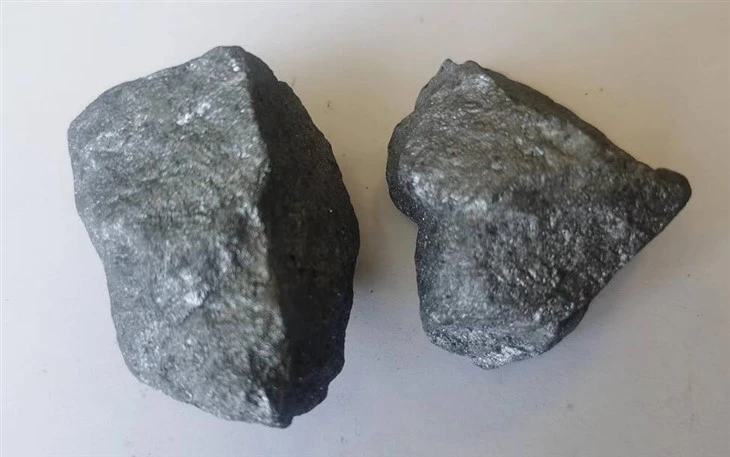
Ferro silicon forms as a liquid alloy (typically 15–90% Si, with common grades being FeSi45, FeSi65, FeSi75).
4. Tapping & Refining
Molten FeSi is tapped periodically from the furnace bottom.
Slag (mainly CaO-Al₂O₃-SiO₂) is separated due to density differences.
Further refining (if needed) involves purging with oxygen to reduce impurities (Al, Ca, C).
5. Casting & Crushing
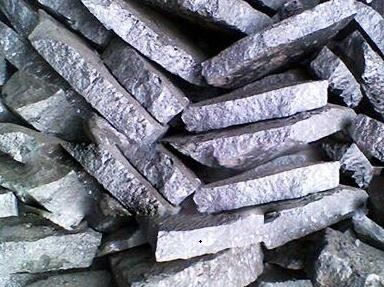
The molten alloy is cast into molds or granulated (water quenching for small particle sizes).
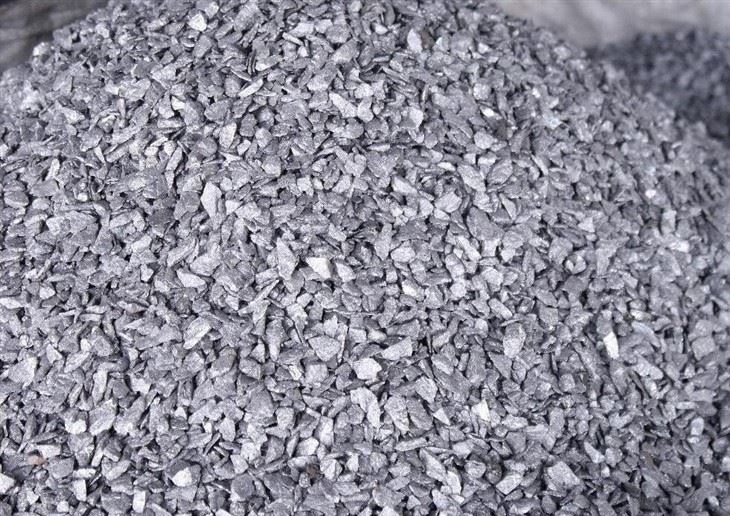
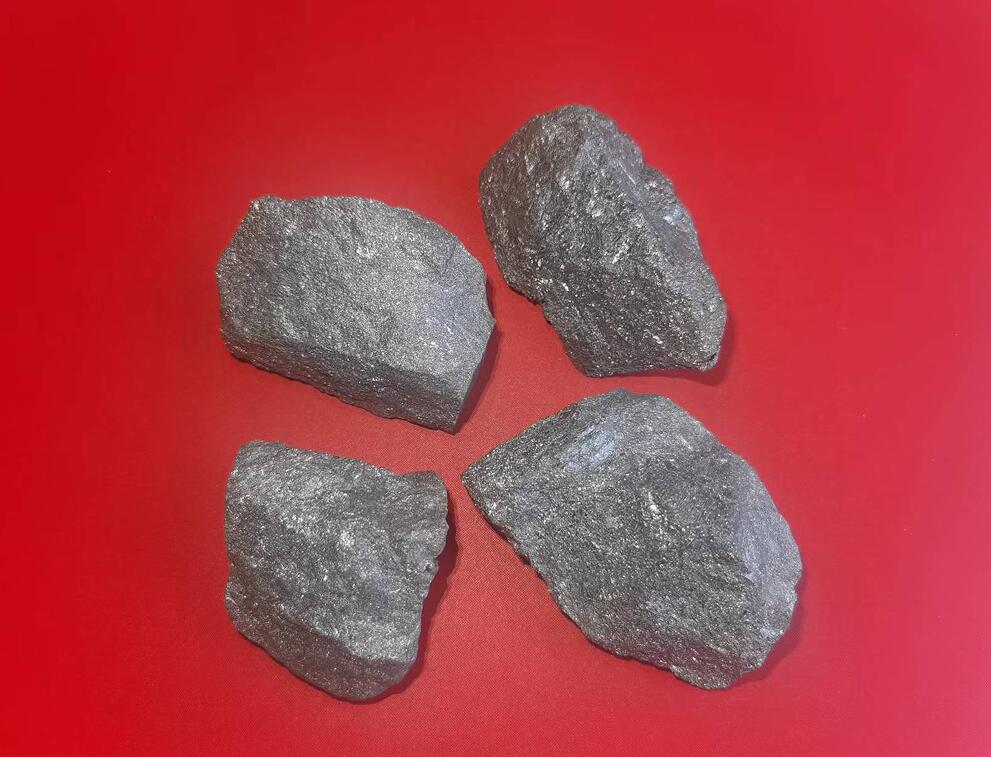
After cooling, it is crushed and sieved into marketable sizes (10–100 mm lumps or powder for specific applications).
6. Quality Control
Chemical analysis (Si%, Al%, C%, S%, P%) ensures compliance with standards (e.g., ASTM A100, ISO 5445).
Impurities are minimized for high-grade FeSi used in steelmaking or magnesium production.
7. Environmental & Safety Considerations
Off-gas treatment: CO and SiO fumes are captured and filtered (baghouses/scrubbers).
Slag utilization: Some slags can be used in cement production.
Energy efficiency: Modern furnaces recover waste heat.
in conclusion
In conclusion, the manufacturing process of ferro silicon requires advanced technologies and a high level of expertise to produce high-quality alloys. The entire process is carefully monitored to ensure that the final product meets the required standards. Thus, ferro silicon has become a vital component in various industries and continues to drive economic growth globally.
Any inquiry of ferro silicon, please send me an email info@kexingui.com .
Hot Tags: ferro silicon manufacturing process, China, suppliers, manufacturers, factory, price, in stock


